 Skip to content
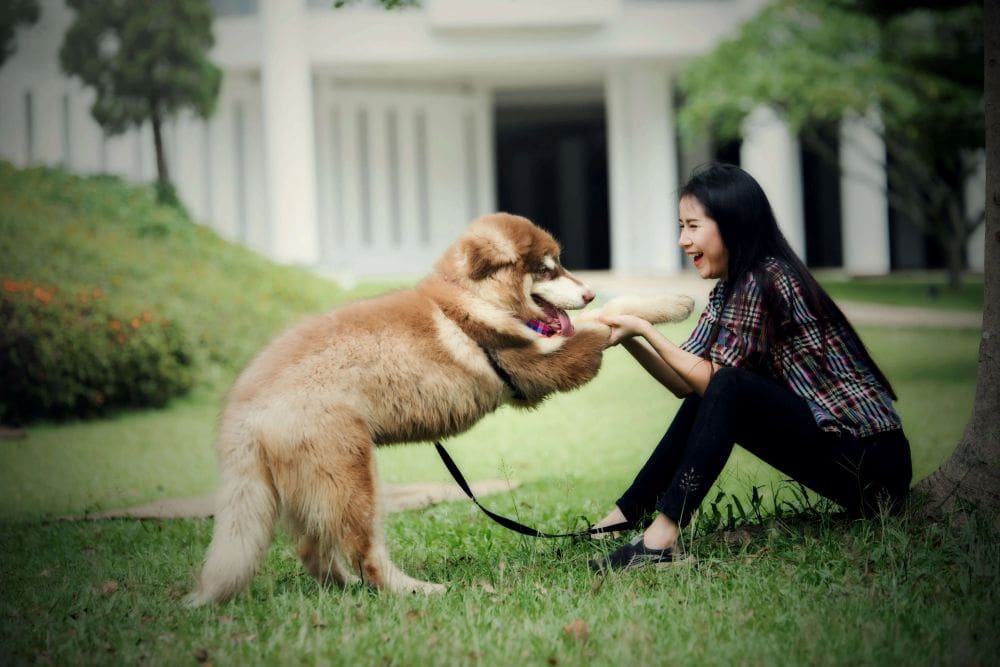
Dogs have their own language, and once you learn to read it, your relationship with your pup changes completely. They use body language, sounds, scent, and play to tell us (and other dogs) what’s going on in their heads. Any local dog trainer will tell you that understanding these signals is the foundation of solid training. This blog breaks down the different ways dogs communicate so you can better understand what your furry friend is trying to say. From tail wags to barks to that weird sniffing thing they do at the park, we’ll cover it all.
Canine Body Language
Body language is a big part of how dogs communicate with each other and with us. By paying attention, you can figure out what a dog is feeling and what they might do next. A dog with a relaxed, lowered body and a wagging tail is usually friendly. But if they’re tense with their tail raised high, that could mean aggression. Facial expressions matter, too. Soft eyes and an open mouth mean they’re calm, while narrowed eyes and bared teeth are warning signs. Learning to read these cues helps you interact better with dogs and avoid misunderstandings.
Vocalizations and Sounds
Dogs make all kinds of noises, and each one means something different. Barks can range from sharp, quick sounds that say “hey, pay attention” to lower, drawn-out barks that signal stress or discomfort. Growls aren’t always bad; sometimes they’re playful, other times they mean fear or aggression. Whines and whimpers usually mean a dog wants attention or comfort, or they’re showing submission. Howling might mean they’re lonely, marking territory, or just responding to a siren. High-pitched yips and yelps typically express excitement or pain. Tuning into these sounds gives you a better read on what your dog needs.
Scent Marking and Sniffing
Dogs experience the world through their noses, and sniffing is how they gather intel. When your dog stops to smell every fire hydrant on your walk, they’re actually reading messages left by other animals. Scent marking helps dogs claim territory, communicate social status, and even find mates. The chemical signals in urine and other scents tell other dogs who was there, their mood, and their reproductive status. It’s basically doggy social media. Marking certain spots also lets other animals know, “I was here,” a form of indirect communication that keeps neighborhood dogs in the loop.
Play Behavior and Social Signals
Play isn’t just fun for dogs; it’s also how they communicate and build social bonds. You’ve probably seen the play bow, where a dog drops their front legs while keeping their back end up. That’s an invitation to play. During play sessions, dogs use significant, exaggerated movements and sounds to show they’re in a good mood and not being aggressive. Rolling over or showing their belly is a submissive move that keeps things friendly. These signals help dogs set boundaries and prevent playtime from turning into a real fight. Recognizing these behaviors enables you to understand when your dog is having fun versus when things might be getting too intense.
Tail Wagging and Postures
A wagging tail doesn’t always mean a happy dog. The speed, height, and movement of the tail all communicate different things.
- A fast wag with wide, sweeping movements usually means excitement or happiness.
- A slow wag with the tail held low can signal insecurity or submission.
- A stiff, high tail often indicates alertness or potential aggression.
A dog’s overall stance matters too. Their ear position, how they’re standing, and their body tension all add context to what their tail is saying. Once you start noticing these details, you’ll get much better at reading your dog’s mood.
Understanding Human Cues
Dogs are surprisingly good at reading us. They pick up on our facial expressions, tone of voice, and body language. Studies show that dogs can tell the difference between a smile and a frown and react accordingly. They also follow pointing gestures, which is something even chimps struggle with. This ability to understand human cues shows just how tuned in dogs are to us after thousands of years of living together. The better you know how your dog reads your signals, the easier it becomes to communicate clearly and build a stronger bond.
Related Topics:
