 Skip to content
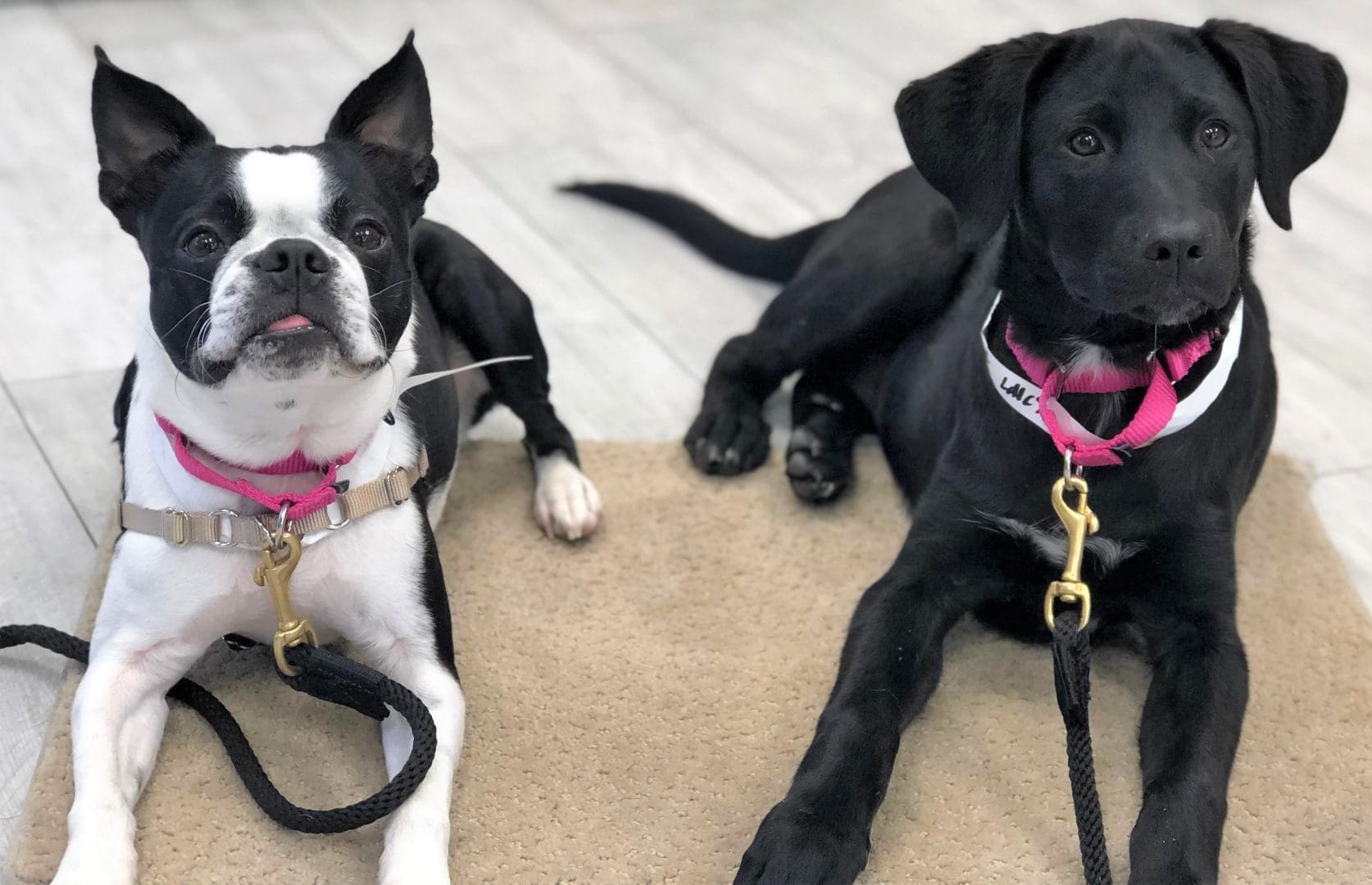
Dog obedience training covers a lot more than just teaching your pup to sit on command. It’s about building clear communication between you and your dog so you can both enjoy life together. An excellent dog trainer will tell you that the basics form the foundation, but there’s plenty more to learn beyond that. This guide breaks down everything, from simple commands to advanced skills, to help your dog behave in real-world situations. We’ll cover leash walking, recall, behavior fixes, socialization, and what comes next once your dog nails the fundamentals.
Basic Obedience Commands
Basic commands are where every dog starts, and they set the tone for everything else. ‘Sit’ is probably the most useful one since it applies to so many daily situations. ‘Stay’ teaches patience and self-control, while ‘Come’ keeps your dog safe and strengthens your bond. ‘Down’ helps your dog relax, and ‘Leave it’ stops them from grabbing things they shouldn’t. Practice these commands in different spots around your home and outside so your dog learns to listen no matter where you are. Keep sessions short, stay positive, and remember that praise works better than frustration.
Leash Walking Skills
Good leash manners make walks way more enjoyable for both of you. Pick a leash that feels comfortable in your hand and suits your dog’s size. Hold it relaxed, but keep enough slack to guide your dog without yanking. Your dog should walk beside you or just behind, not pulling you down the sidewalk. Reward them with treats or a quick “good job” when they get it right. If they start pulling or weaving, stop and reset before moving again. It takes time, but a calm walking routine is totally achievable with regular practice.
Recall Training Techniques
Getting your dog to come back when called could save their life someday, so it’s worth putting in the effort. Start practicing in a quiet area where nothing is competing for their attention. Use an upbeat voice and have treats ready when they return to you quickly. Never scold your dog for coming back slowly, since that just makes them less likely to come next time. Games like hide-and-seek actually make recall training fun and keep your dog engaged. As they improve, practice in busier environments with more distractions. Patience matters here because reliable recall doesn’t happen overnight.
Behavior Modification Strategies
Fixing problem behaviors means figuring out what’s driving them in the first place. Here are some approaches that actually work:
- Positive Encouragement: Reward the behavior you want to see more of.
- Consistency: Stick to the same rules so your dog knows what to expect.
- Redirecting Attention: Shift their focus away from bad habits before they escalate.
- Gradual Exposure: Slowly introduce triggers to help reduce anxiety or reactivity.
- Patience and Persistence: Behavior change takes time, so don’t expect instant results.
The goal is to replace unwanted behaviors with better ones, not just punish your dog for messing up.
Socialization Techniques
A well-socialized dog handles new people, animals, and places without freaking out. Start exposing your dog to different experiences while they’re young to prevent fear-based reactions later. Take things slow and make sure your dog feels safe during new encounters. Let them meet other dogs and people in controlled settings, rewarding calm behavior along the way. Practice obedience in various locations so your dog learns to listen everywhere, not just at home. Stay patient and consistent because socialization is an ongoing process. Dogs that get this foundation tend to be more confident and easier to manage in everyday life.
Advanced Training Skills
Once your dog has the basics down, you can move into more challenging territory. These skills take dedication but really pay off:
- Off-leash Training: Teaching your dog to respond without being physically connected to you.
- Advanced Commands: Adding complexity with commands like ‘heel,’ ‘place,’ and ‘leave it.’
- Distraction Training: Keeping your dog focused even when a lot is going on around them.
- Boundary Training: Setting clear limits and reinforcing them every time.
- Advanced Socialization: Continuing to expose your dog to new environments and situations.
Mastering these takes your dog from obedient to genuinely well-trained, and that makes life better for everyone involved.
Related Topics:
