 Skip to content
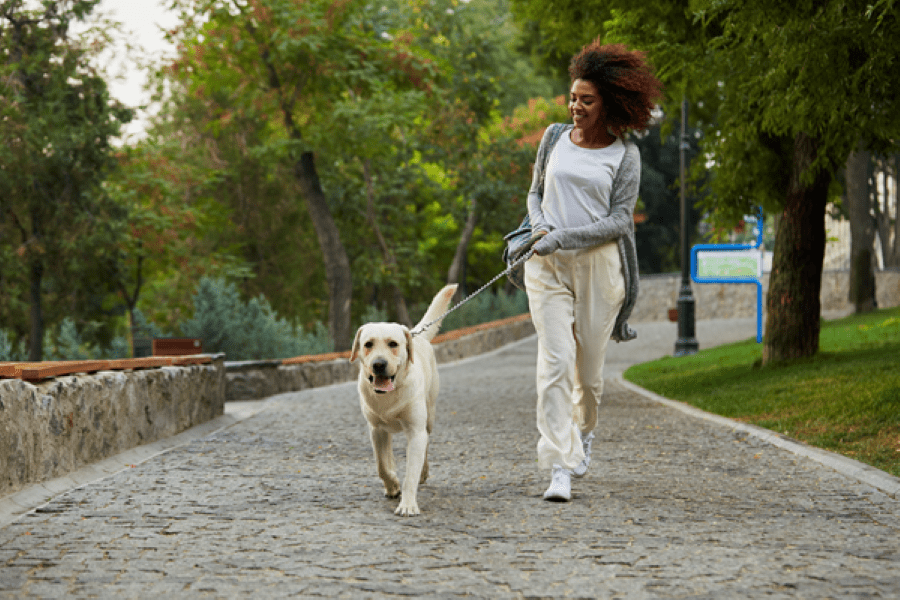
Training your dog to stay calm during walks takes time and the right approach. Any trusted dog trainer will tell you that understanding your dog’s behavior is the first step toward success. This post covers how to read your dog’s body language, communicate clearly, use positive reinforcement, and address specific challenges such as pulling or barking. Patience and consistency matter more than anything else in this process. With the right techniques, you and your pup can enjoy peaceful walks together.
Understanding Your Dog’s Behavior
Getting a read on your dog’s behavior is the foundation of training them to stay calm on walks. Dogs communicate mostly through body language, so pay attention to what they’re telling you. If your dog pulls on the leash, they might be excited or nervous about something they spotted. Once you recognize these signs, you can address what’s causing the reaction and help them get used to it. Knowing your dog’s triggers, such as other dogs, loud sounds, and squirrels, helps you predict how they’ll react and prepare ahead of time. Watching and understanding how your dog behaves lets you adjust your training to fit their needs, making walks more relaxed for both of you.
Establishing Clear Communication
Clear communication is the backbone of training your dog to stay calm during walks. Dogs do well with clear signals and consistent cues from their owners. When you’re out walking, use a confident but calm tone to let your dog know what you expect. Keep your body language relaxed and open so your dog doesn’t pick up on any tension. Back up your verbal commands with simple hand signals or gestures so your dog understands what you’re asking. Practice these communication habits regularly, both on walks and during other training sessions, to strengthen your bond and improve your dog’s behavior. Being clear and consistent sets you up for successful, peaceful walks.
Implementing Positive Reinforcement Techniques
Rewards and praise go a long way in shaping your dog’s behavior during walks. Positive reinforcement is one of the best tools you have. When your dog stays calm on a walk, reward them right away with treats, verbal praise, or a favorite toy. This helps them connect calm behavior with good outcomes. Stay consistent, reward your dog every time they do what you want. Mix up the rewards to keep your dog interested and motivated. When your dog links good behavior with positive results, they’re more likely to repeat it. Just remember that patience and persistence make all the difference here.
Practicing Patience and Consistency
Patience and consistency are everything when training your dog to stay calm on walks. Dogs thrive on routine and clear expectations, so give them time to learn. Sticking to the same training methods helps your dog understand what behavior you’re looking for. Keep in mind that every dog is different; some need more time and repetition to catch on. Stay calm and positive during training since dogs pick up on your emotions. If you hit setbacks, don’t get frustrated. Take a step back, rethink your approach, and keep going. Staying patient and consistent builds a strong foundation for your dog’s success on walks.
Addressing Specific Challenges on Walks
Handling specific problems on walks requires a proactive, strategic approach to address behaviors such as pulling, barking, or reacting to other dogs. If your dog pulls, try a front-clip harness or practice walking beside you to encourage better leash manners. For barking, teach a “quiet” command and reward silence. If your dog reacts to other dogs, slowly desensitize them by creating more distance and using positive reinforcement. Stay calm and patient as you work through these issues. Consistency matters. Practice these strategies regularly to see progress. Remember that every dog is unique, so adjust your methods based on how your pet responds. With dedication and the right techniques, you can get past these hurdles and enjoy peaceful walks.
Enjoying a Calm Walk Together
To actually enjoy a calm walk with your dog, set a positive and relaxed vibe from the moment you grab the leash. Start by staying calm yourself. Dogs pick up on our emotions, so keeping your cool helps set the tone for the whole walk. Use a loose leash and let your dog sniff around while still staying in control. Encourage good behavior with treats and praise to reinforce positive actions. If your dog starts getting anxious or worked up, redirect their focus with gentle commands. By staying patient and positive, you create a walking routine that strengthens your bond and makes every outing enjoyable for both of you.
Related Topics:
