 Skip to content
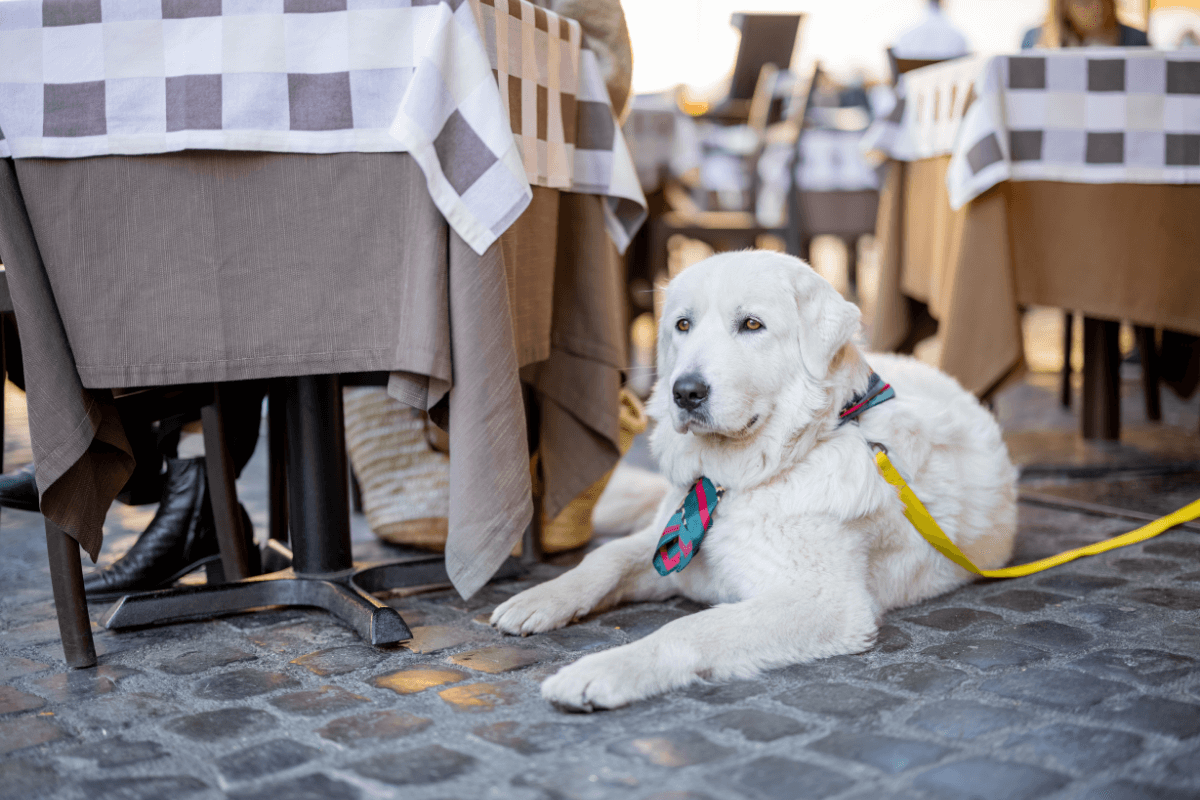
Getting your dog to stay calm in public takes time, patience, and the right approach. Many dog owners struggle with this, but it’s totally doable with consistent effort. An excellent dog training facility can speed up the process, though you can also make solid progress on your own at home. This post covers everything from reading your dog’s body language to managing stress and using positive reinforcement. By the end, you’ll have a clear game plan for helping your pup feel relaxed and confident in any public setting.
Understanding Your Dog’s Behavior
Knowing how your dog communicates is the foundation of any training program. Dogs show what they’re feeling through body language, sounds, and actions. By paying close attention, you can spot signs of stress, fear, or excitement before things get out of hand. A tucked tail, ears pinned back, and lip licking usually mean your dog is anxious. Catching these cues early lets you step in and redirect before unwanted behaviors happen. Understanding your specific breed’s tendencies and your dog’s individual personality helps you pick training methods that actually work. Once you get a handle on your dog’s behavior patterns, you can build trust and set up a strong base for public training sessions.
Desensitizing to Public Environments
Getting your dog used to public environments means gradually exposing them to different sights, sounds, and smells in controlled settings. This process takes patience and consistency to help your dog feel comfortable in busy surroundings. Here’s how to do it:
- Start Small: Introduce your dog to low-stress places like quiet parks or empty sidewalks.
- Gradually Increase Exposure: Slowly move to busier spots, making sure your dog stays relaxed at each stage before moving forward.
- Use Positive Encouragement: Reward calm behavior in public to build good associations with these environments.
Following these steps helps your dog get comfortable in public spaces while building their confidence.
Practicing Obedience Commands Consistently
Regular practice of obedience commands strengthens your dog’s training and leads to reliable behavior in different situations. Repeating commands like “sit,” “stay,” “heel,” and “come” helps your dog internalize these instructions until they become automatic. Start training in a quiet, familiar spot and slowly add distractions as your dog improves. Use the same cues every time and reward correct responses right away. Short sessions multiple times a day work better than one long session. Work obedience commands into your daily routine to reinforce what your dog has learned. Consistent practice builds a strong foundation and prepares your dog for calm behavior in public.
Using Positive Reinforcement Techniques
Positive reinforcement is one of the best ways to shape your dog’s behavior and encourage the actions you want to see. Here are three strategies to make it work:
- Use high-value rewards: Pick treats your dog goes crazy for to boost motivation and reinforce good behavior.
- Timing matters: Give the reward or praise right after the desired behavior so your dog connects the action with the reward.
- Stay consistent: Reward your dog for the desired behavior every single time it happens to make it stick.
Managing Your Dog’s Stress Levels
Creating a calm, predictable environment goes a long way in managing your dog’s stress. Dogs do best with routine and structure, so a consistent daily schedule can cut down on anxiety. Give your dog a quiet space where they can go when feeling overwhelmed. Regular exercise and mental stimulation help keep stress low. Activities your dog enjoys, like interactive toys or obedience training, channel their energy in positive ways. Gentle massage or just sitting quietly together can also help calm your dog down. By staying on top of your dog’s stress levels, you set them up for success when you’re out in public.
Seeking Professional Training Help
Bringing in a professional dog trainer can make a real difference when you’re trying to teach your dog to stay calm in public. Trainers have the skills and experience to customize their methods for your dog’s specific needs and behaviors. Here’s why professional help is worth considering:
- Personalized Guidance: A trainer can assess your dog’s behavior and create strategies tailored to their specific issues.
- Structured Training Programs: Trainers offer step-by-step programs that gradually expose your dog to public settings, helping them stay calm and focused.
- Immediate Feedback: You get real-time feedback on your training techniques, so you can adjust quickly and see better results.
Related Topics:
