 Skip to content
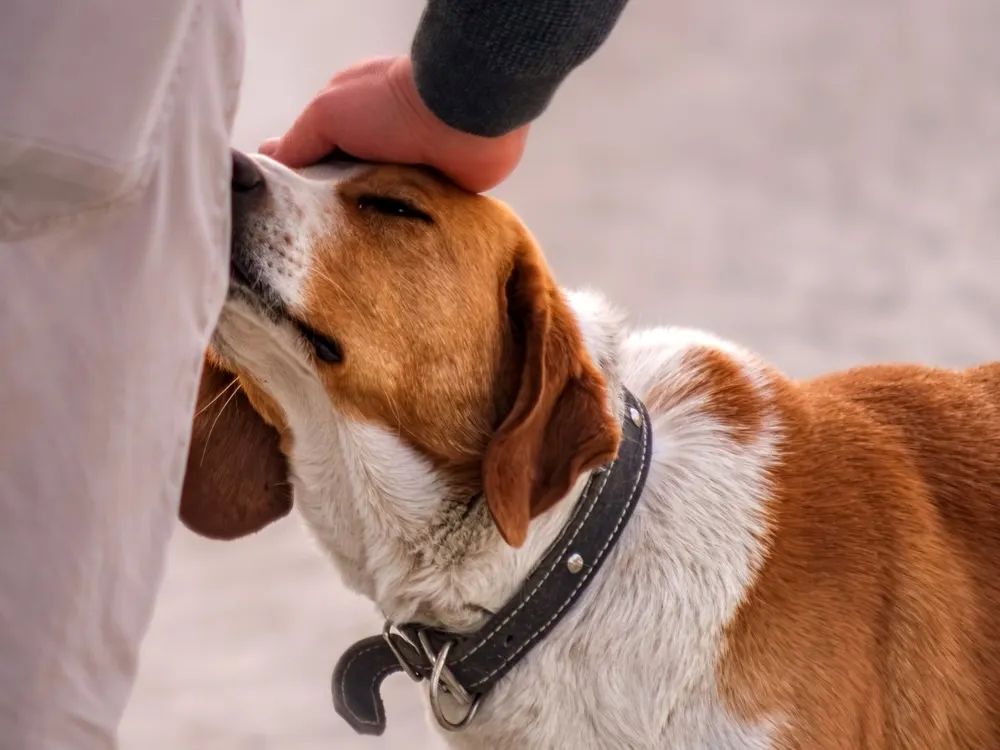
Dogs have an incredible sense of smell, and teaching them to sniff and find taps into one of their strongest natural abilities. Sterling’s local dog trainer can help you get started, but there’s a lot you can do on your own, too. This post covers everything from understanding how your dog’s nose works to building real-world search skills. We’ll walk through the right tools, scent games, target odor training, and techniques to sharpen those abilities over time. With patience and regular practice, your dog can become a pro at finding specific scents.
Understanding Your Dog’s Sense of Smell
Knowing how dogs experience the world through their noses helps you train them more effectively. Dogs have up to 300 million olfactory receptors compared to roughly 5-6 million in humans. This means they can detect scents at incredibly low concentrations, making them great for tasks like search and rescue, tracking, and even medical detection. When training your dog to sniff and find objects, you want to tap into this natural talent using positive reinforcement. By connecting the target scent with rewards, you encourage your dog to zero in on specific smells. Understanding your dog’s sense of smell is the foundation for successful training.
Choosing the Right Training Tools
Picking the right tools depends on your dog’s specific needs and how they learn best. Scent boxes, scent tubes, or scent cloths work well for introducing your dog to different smells and building their sniffing abilities. For more advanced training, scent puzzles or scent trails can further develop your dog’s nose skills. Having a mix of rewards, such as treats or toys, keeps your dog motivated during sessions. Choose tools that are safe, durable, and fit your dog’s size and personality to get the most out of your training time.
Building Foundation With Scent Games
Starting with simple, fun activities helps your dog become comfortable using their natural sniffing instincts. Begin with basic hide-and-seek games where you stash treats in easy spots for your dog to find. This helps them connect the game with using their nose to search. Gradually make it harder by hiding treats in trickier locations around the house or yard. You can also introduce different scents, such as herbs or diluted oils, to broaden their smell vocabulary. Keep sessions short and enjoyable so your dog stays interested and eager. This groundwork prepares them for more advanced scent-detection training down the road.
Progressing to Target Odor Recognition
Once the basics are solid, you can teach your dog to recognize a specific target odor even with distractions around. Introduce the chosen scent gradually in short sessions so you don’t overwhelm your dog. Start by pairing the target odor with positive reinforcement, such as treats or toys, to build a strong association. Then slowly add distractions, such as noise or different environments, to increase difficulty. Reward your dog every time they correctly identify the scent. Consistency matters here; practice regularly to keep that connection between scent and reward strong. With time and patience, your dog will get better at picking out the target odor, no matter what’s going on around them.
Implementing Search and Find Techniques
This phase involves guiding your dog to actively seek out and locate target odors on command. Start by reinforcing basic commands like “search” and “find.” Introduce the target scent step by step, always pairing it with rewards to keep things positive. Begin with simple hiding spots and gradually ramp up the challenge as your dog improves. Use consistent cues to signal when it’s time to search, and reward generously when they succeed. Practice in different environments and add distractions to build focus and adaptability. Regular sessions help maintain skills and build confidence over time.
Fine-Tuning Skills for Real-World Applications
Sharpening your dog’s search abilities means training them in different settings to prepare for practical situations. Start by adding mild distractions during sessions, then increase the difficulty as your dog improves. Mix up your practice locations, try outdoor areas with different terrain, indoor spaces with varied layouts, and simulated scenarios that mimic real challenges. Introduce new scents to expand their nose capabilities and teach them to tell scents apart. Work on their alert behaviors too, making sure they clearly signal when they’ve found the target. By refining these skills across different contexts, your dog will be ready to handle real-world search-and-find tasks.
Related Topics:
