 Skip to content
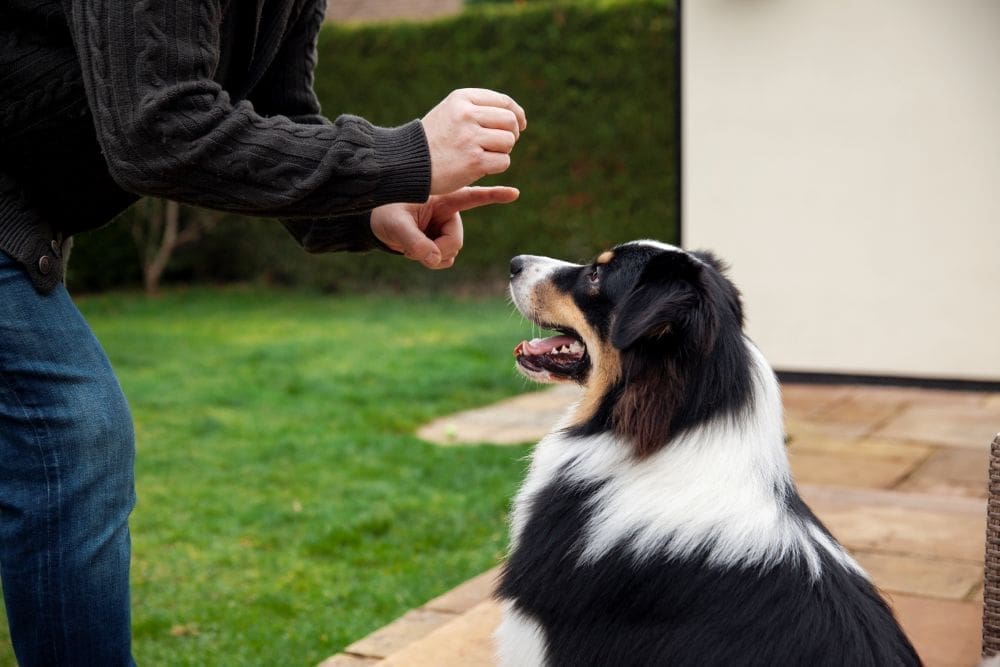
Off-leash training gives your dog more freedom while keeping them safe and under control. It takes time, consistency, and a strong bond between you and your pup. Sterling’s dog training experts know that this kind of training works best when you build trust and use positive methods from the start. This post covers the basics of off-leash obedience, how to strengthen recall, and ways to handle distractions. With the right approach, you can teach your dog to listen even without a leash attached.
Understanding Off-Leash Training Basics
Off-leash training relies on trust, consistency, and a solid connection with your dog. Start in a secure, fenced area so your dog can’t run off while learning. Practice basic commands like sit, stay, and come in this safe space until your dog responds reliably. Once that’s solid, slowly add distractions to test their focus. Reward good behavior with treats, praise, and play to keep things positive. Stay calm and confident so your dog sees you as the leader. Regular practice and patience make all the difference when moving to off-leash work.
Building a Strong Recall Response
A reliable recall takes consistent practice and positive feedback. Start in a quiet area with few distractions and build up from there. Call your dog’s name and reward them with a treat or praise the moment they come to you. Keep your voice upbeat and make returning to you feel like a win for your dog. Practice this often to lock in the habit. As your dog gets better, increase the distance between you when calling them. Always give a solid reward for coming back, even if they took their time. Staying consistent and positive builds a recall you can count on.
Establishing Trust and Communication
A strong off-leash relationship starts with trust and clear communication. Here’s how to build both:
- Consistent Training: Keep your commands, rewards, and corrections the same every time so your dog knows what to expect.
- Positive Feedback: Use treats, praise, and play to reward good behavior and strengthen your bond.
- Clear Body Language: Dogs pick up on posture and movement, so stay calm and confident when giving commands.
- Regular Time Together: Spend quality time with your dog outside of training to build a deeper connection.
Incorporating Distraction Training Techniques
Distraction training prepares your dog to stay focused in real-world settings. Start by adding mild distractions during practice, like a toy or treat nearby, and work up to harder challenges, like other animals or loud noises. Teach commands like “watch me” or “leave it” to redirect your dog’s attention when something catches their eye. Practice in different locations so your dog learns to generalize these skills. Make sure your dog responds consistently before trying off-leash work in busier environments. This kind of training helps your dog stay locked in, no matter what’s happening around them.
Implementing Positive Reinforcement Strategies
Positive methods shape behavior without stress and keep training enjoyable for your dog. Here are some strategies that work:
- Use Treats: Reward your dog right after they do what you ask.
- Praise and Affection: Verbal praise and pets go a long way when your dog gets it right.
- Clicker Training: A clicker creates a clear connection between the behavior and the reward.
- Consistency: Reward your dog every time they follow a command correctly to build strong habits.
Practicing Patience and Consistency
Success in off-leash training comes down to sticking with it and staying patient. Repetition helps your dog understand what you want, so practice commands often and in different places. Slowly raise the difficulty by adding more distractions over time. Dogs do well with routine, so keep a regular training schedule. Be patient, every dog learns at their own speed, and rushing things backfires. Consistent methods help your dog understand expectations and respond reliably. Stay positive, stay steady, and give your pup the time they need to get it right.
Related Topics:
