 Skip to content
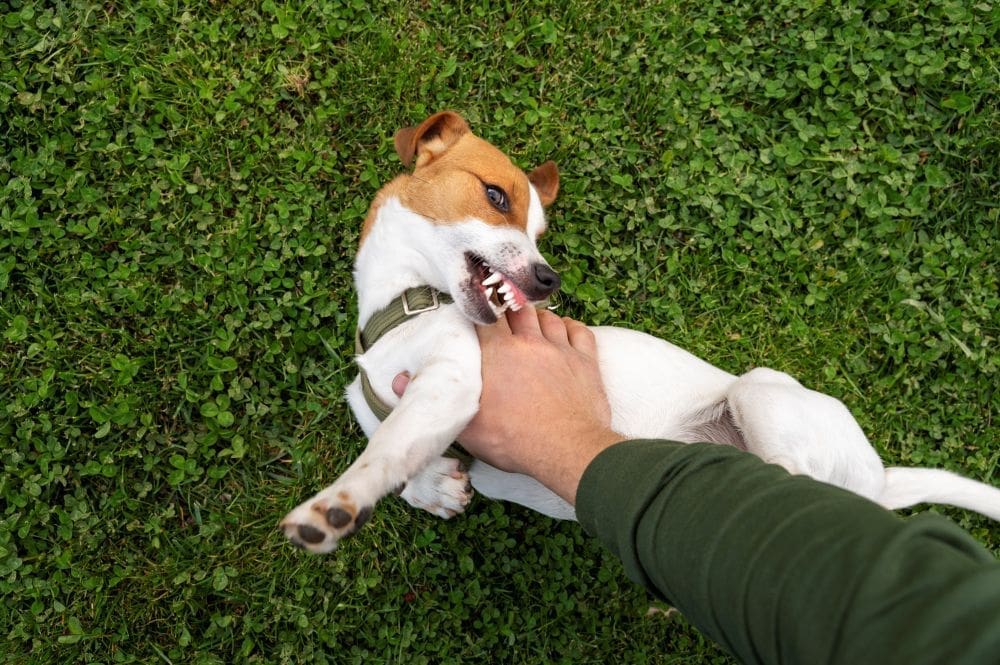
Dogs biting when the leash comes off is a common problem that frustrates many pet owners. This behavior usually stems from triggers like excitement, fear, or past experiences your dog hasn’t worked through yet. Dependable dog trainers know that fixing this issue takes patience, consistency, and the right approach. This post covers why dogs develop this habit, how to build trust through positive methods, and when to bring in professional help. Understanding what’s behind the behavior is the first step toward solving it.
Understanding the Aggression Triggers
Every dog is different, and aggression can come from many sources. Fear, territorial instincts, resource guarding, pain, or bad past experiences can all cause a dog to lash out. Watch for warning signs like growling, barking, snapping, or biting. Pay close attention to your dog’s body language and figure out what specifically sets them off. Once you know the triggers, you can start addressing the problem head-on. A certified dog trainer or behaviorist can give you strategies tailored to your dog’s specific needs.
Building Trust Through Positive Reinforcement
Finding out what triggers your dog’s aggression is the first step toward building trust through positive methods. Reward good behavior with treats, praise, or toys to create a bond based on respect. Stay consistent, give rewards every time your dog does what you want. This helps them connect good behavior with good outcomes. Be patient because building trust takes time. Your dog will respond well to your encouraging approach, and the biting behavior will fade as they learn to trust you and feel safe.
Teaching Calm Leash Removal Behavior
To create a peaceful leash removal routine, focus on rewarding calm behavior through steady training. Start by giving your dog a treat for staying still while you take off the leash. Use praise or toys alongside treats to encourage the behavior you want. If your dog gets hyped up or tries to nip, stop and wait for them to settle down before continuing. Stay patient and skip the scolding; it only makes anxiety worse. Gradually stretch out the time between removing the leash and giving the reward so your dog learns to stay calm longer. Practice this every day for the best results.
Consistency in Training Approach
Keeping your training approach uniform makes a real difference in shaping your dog’s behavior. Everyone who interacts with your dog needs to follow the same methods to avoid confusion. Reinforce the behaviors you want, like staying calm during leash removal each time. Set clear boundaries and stick to them so your dog doesn’t get mixed signals. Dogs do best with routine and predictability, so a steady approach helps them learn faster. A structured environment sets your dog up for success.
Seeking Professional Help if Needed
If you’re struggling to address your dog’s leash removal biting, reaching out to a professional trainer or behaviorist can make a big difference. These experts can assess your dog’s specific situation and create a training plan that targets the problem. They’ll help you understand why the biting happens and teach you practical techniques to stop it. Professional guidance also provides reassurance and support as you work through this challenge. Getting help when you need it is a smart move toward building a better relationship with your dog.
Managing Stress and Anxiety Factors
Dealing with stress and anxiety plays a big role in preventing biting during leash removal. Dogs experience stress just like people do, and it can show up as aggression. Create a calm, positive environment for your dog and watch their body language for signs of discomfort or tension. Regular exercise, mental stimulation, and a consistent daily routine all help reduce stress. Using positive methods during training builds your dog’s confidence and eases anxiety. Patience and understanding go a long way when handling a stressed dog. By managing these factors, you can build a peaceful relationship with your pet.
Related Topics:
