 Skip to content

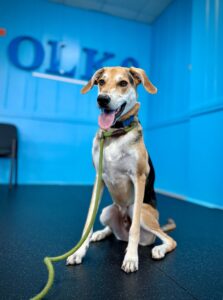
If you’re wondering what happens after board and train, here’s the reality: your dog returns home after focused training, and your participation helps those skills carry over into everyday life. This article explains what to expect after the program and how consistent practice, clear cues, and appropriate management can support continued progress.
The focus here is on the first 24–72 hours, the first month, and long-term maintenance after board and train. This guide is for Northern Virginia owners preparing to bring their dogs home from Off Leash K9 Training of Sterling. Your next steps should reflect the program completed, your dog’s progress, and the trainer’s handoff instructions.
The short answer to “what happens after board and train?” is this: you review your dog’s progress with the trainer, learn how to practice the skills at home, and continue reinforcing those behaviors in everyday situations. Expect an adjustment period as your dog practices with you in familiar surroundings.
By the end of this guide, you will know:
- What to review and practice during the go-home lesson
- How to approach the first 24–72 hours and first week at home
- How to help learned skills carry over into everyday Northern Virginia settings
- Which follow-up options to confirm with Off Leash K9 Training of Sterling
- How to respond to common post-program challenges
Understanding the Post–Board and Train Phase
The post–board and train phase is the transition period when your dog moves from training with a professional back into your household routine. The training completed depends on the selected program and your dog’s needs. At the handoff, ask which skills were practiced, where your dog performed comfortably, and which situations still require management.
Your participation matters during this transition. Consistent cues, rewards, and manageable practice help your dog apply learned behaviors at home. Difficulty after returning home is a reason to review the setup and seek guidance, rather than assume that your dog or household has failed.
The Training Foundation Your Dog Comes Home With
Your dog’s training foundation depends on the program completed. Sterling’s two-week Board & Train lists obedience skills such as sit, down, place, heel, recall, and household manners. Its three-week reactivity program is described as on-leash only. Review your dog’s individual progress at the handoff instead of assuming that every program provides the same skills or off-leash readiness.
Think of the training foundation as a starting point you continue building together. Practice the cues your dog has learned, reward successful responses, and introduce new situations gradually. Ask the trainer to identify your dog’s current strengths and the next manageable steps.
Why Dogs Behave Differently at Home vs. the Training Environment
Dogs may initially associate learned behaviors with particular places, people, and cues. If your dog practiced heel in a quiet field, responding on a busy Sterling sidewalk may require additional practice.
Familiar distractions, including the doorbell, passing dogs, children playing, and arriving visitors, can make responding harder. The American Kennel Club explains that dogs may need continued training to apply a behavior learned in one setting to another. If your dog struggles at home, consider the environment, your handling, and your dog’s comfort rather than assigning a single cause.
The post-program period is about bridging that gap through gradual practice in your kitchen, yard, and suitable outdoor settings. If you visit Algonkian Regional Park, follow applicable park and leash rules and choose a quiet area your dog can handle. The next section covers the handoff and the first days at home.
What Happens Right After Board and Train Ends?
Here’s what to prepare for when your dog returns from Off Leash K9 Training of Sterling: the go-home lesson, the first few days of adjustment, and the first week of establishing your routine.
Graduation Day: The Go-Home Lesson and Handoff
The handoff is your opportunity to understand your dog’s progress and practice handling skills. Sterling’s published two-week Board & Train description includes a two-hour, one-on-one owner session. Confirm the handoff arrangements for your selected program.
During the session, review:
- Which verbal cues, hand signals, and release cues your dog has learned
- How to handle the leash and prevent access to unsafe situations
- How to reward successful responses and make an exercise easier when needed
- What equipment was used, its limitations, and what to do if you are unsure about using it
Ask to practice with your dog while the trainer observes and gives feedback. Review the situations you are most likely to face at home, and confirm any restrictions on off-leash practice. Take notes and ask whether written instructions or demonstration videos are available; do not assume these materials are included.
The First 24–72 Hours at Home
The first few days are a useful time to keep routines calm and predictable. Your dog may respond differently at home, so begin with easy exercises and allow time for rest. Do not assume that difficulty means deliberate boundary testing. Ask the trainer about unexpected behavior, and contact your veterinarian if you notice concerning changes in health or energy.
Here’s a practical starting plan:
- Keep things calm and low-key. Limit visitors and avoid overwhelming outings.
- Use familiar cues, follow the agreed transition plan, and use equipment only when you understand its purpose and safe handling.
- Take manageable walks near home, practicing familiar skills around mild distractions.
- Supervise indoors and use gates or other suitable management when needed.
The goal is to make expectations understandable through familiar words, consistent rewards, and exercises your dog can complete comfortably.
The First Week: Settling Into the New Routine
Your first week is about building a predictable daily routine. Start with brief practice sessions suited to your dog’s attention span, along with simple opportunities to use familiar cues during meals, walks, and quiet time. Include rest, play, and opportunities to sniff rather than making every activity a formal exercise.
Reintroduce access to the home and more distracting outings gradually. Use supervision, gates, or a comfortable resting area when needed. A crate should be used only if your dog is comfortable in it, and off-leash yard practice requires secure fencing and appropriate readiness.
Consistency among family members helps keep expectations clear. Agree on cue words, release cues, and household rules, including furniture access if relevant. Review differences together so your dog receives predictable guidance.
Key goals for week one are predictability, clarity, and calm. Build success gradually instead of testing every skill at once.
Implementing the Training at Home: Your Practical Game Plan
Your role is to help your dog use learned skills during everyday life. That means practicing familiar cues, noticing when an exercise is too difficult, and asking for guidance when you need it.
Daily Structure: A Sample Post–Board and Train Schedule
Here’s a practical weekday routine you can adapt to your household:
- Morning: Take a potty break and a walk suited to your dog’s needs. Include a short stretch of loose-leash walking and time to sniff.
- Breakfast: Practice a familiar sit or brief wait before setting down the bowl, if your dog can do so comfortably.
- Midday: Practice a short stay on a mat or place cot, then release your dog before the exercise becomes difficult.
- Evening: Combine a walk or play with a few easy repetitions. Practice recall in a secure fenced area or on a safely managed long line where permitted.
- Evening downtime: Review one or two familiar cues, then allow your dog to rest without requiring a prolonged command.
This is a sample routine, not a required daily minimum or a complete exercise plan. Adjust practice, walks, play, and rest to your dog’s needs and the transition guidance you received. Consistency matters more than meeting an arbitrary minute count.
Reviewing Equipment and Leash Handling
If your program included an e-collar or other training equipment, ask the trainer to review its operation, fit, limitations, and any signs of discomfort. Do not assume a generic button sequence or one numerical setting applies in every situation.
- Practice leash handling and familiar cues in a quiet setting.
- Reward successful responses and reduce difficulty when your dog struggles.
- Pause and seek guidance if you are unsure how to proceed or your dog appears uncomfortable.
- Ask about reward-based options for maintaining the skills.
If recall becomes difficult outdoors, keep your dog attached to a leash or safely managed long line and return to an easier exercise. If your dog pulls toward another dog, increase distance and reward attention to you. Build in sniffing breaks during walks rather than expecting a continuous heel.
An e-collar’s effect depends on how it is used; describing it as a communication tool does not establish that it is harmless or nonpunitive. The American Veterinary Society of Animal Behavior recommends reward-based training methods. If you have concerns about equipment or your dog’s response, pause and consult a qualified professional.
Generalizing Skills to Real-World Northern Virginia Environments
Introduce distractions gradually. Moving directly from a quiet yard to a crowded farmers market may make familiar exercises much harder.
A possible progression is:
- A quiet room or secure backyard
- A quiet neighborhood street
- A dog-permitted park area with manageable foot traffic
- A busier dog-friendly setting, if appropriate for your dog
Begin with brief exercises in quiet, dog-permitted spaces. Save café settling for when your dog is comfortable around nearby activity, and practice recall in secure fenced areas or on an appropriate long line. Introduce other capable adult handlers gradually and increase difficulty only when your dog can manage the current setup.
Tasks for this week:
- Choose one manageable location for practice.
- Have another capable adult review the agreed cues and rewards.
- Note which exercises are difficult and the circumstances surrounding them.
- Bring those observations to your next conversation with the trainer.
Board and Train vs. Ongoing Owner Training: How They Work Together
A board and train program and owner-led practice serve different roles. The program provides focused professional instruction, while continued practice helps your dog use learned skills in your household. Training is an ongoing process that may need adjustment as your dog’s health, environment, or routine changes.
Who Does What: Trainer’s Role vs. Owner’s Role After Graduation
The trainer’s role is to explain what your dog practiced, demonstrate the current skills, and help you understand the next steps. Aggression, anxiety, and separation-related distress require individual assessment and may need ongoing behavioral or veterinary care. Completing board and train does not establish that these concerns are resolved.
Once your dog returns home, your role includes:
- Household rules: Agreeing on expectations for furniture access, doorways, and greetings.
- Daily practice: Using short sessions and everyday opportunities to reinforce familiar skills.
- Practice in new environments: Introducing one manageable change at a time.
- Management: Using leashes, barriers, distance, and supervision when needed. No recall is guaranteed, and training does not override leash rules.
Owner instruction at the handoff is the beginning of that process. Ask questions until you understand how to practice comfortably and what to do when your dog struggles.
Private Lessons, Refreshers, and When to Ask for Help
Follow-up guidance can help you troubleshoot difficulties at home. Sterling’s pricing page advertises lifetime refresher training for its two-week Board & Train and VIP K9 Concierge programs. Confirm the terms, scheduling, and support included with your package. If you need additional instruction, ask about private dog training.
Contact your trainer when:
- Recall becomes less consistent around distractions.
- A new baby, new pet, move, or schedule change affects the routine.
- Reactivity appears or increases.
- You feel uncertain about cues, timing, or equipment.
- A behavior concern continues despite easier practice.
Contact the trainer when a problem appears rather than waiting for a particular week. Describe what happened, the surroundings, and your dog’s response. Ask which follow-up format is appropriate before introducing a more challenging setting.
Common Post–Board and Train Challenges and How to Fix Them
Even trained dogs and committed owners can encounter difficulties after board and train. Here are several situations you may face and practical ways to respond.
Problem 1: Your Dog “Forgets” Commands at Home
Environmental differences, unclear cues, distracting activity, or discomfort may affect your dog’s responses. Review what changed before deciding that the dog has forgotten the skill.
Fix: Return to an easy exercise in a quiet room or secure yard. Use a leash when needed for safety, reward successful responses, and increase difficulty gradually. If the problem persists, ask the trainer to review your handling and setup. Sudden behavior changes also warrant veterinary advice.
Problem 2: Slipping Back Into Old Household Habits
Jumping on guests, rushing through doors, pulling toward other dogs, and counter surfing may reappear at home. Review what triggers the behavior, prevent repeated access to the situation, and practice an appropriate alternative at a manageable difficulty.
Protocols:
- Jumping on guests: Use a gate or leash to manage arrivals. Practice a familiar sit or place cue with a helper before attempting busier greetings.
- Door-dashing: Use a secure barrier and leash while practicing a brief wait and release at the door.
- Pulling on walks: Reduce distractions and reward loose-leash walking. Increase distance from dogs or other triggers when needed.
Problem 3: Family Members Not Following the Plan
Different cue words and expectations can make learning harder. Agree on a simple household plan and help each person practice it. Keep children’s participation age-appropriate and supervised.
Solutions:
- Hold a family meeting to agree on cues and household rules.
- Create a simple command reference and put it somewhere accessible.
- Have adults practice the agreed cues, release words, and rewards.
- Supervise children’s participation, and keep equipment handling with a capable adult.
- Explain greeting rules to visitors and allow your dog to decline interaction.
Problem 4: Owner Confidence With the E-Collar
If you feel uncertain about equipment used during the program, explain your concerns before attempting an exercise you do not understand. Clear instruction should include the equipment’s limitations and how to recognize discomfort.
Recommendations:
- Review any instructions or videos actually provided with your program.
- Ask for a demonstration and explain what you find confusing.
- Do not rely on a universal setting or generic online sequence.
- Practice familiar cues and rewards in an easy environment.
- Contact the trainer about follow-up instruction if uncertainty remains.
Conclusion and Next Steps
After board and train, review the skills your dog practiced and continue building them into everyday life. Clear cues, suitable rewards, gradual exposure to distractions, and appropriate management support that transition. Your dog’s plan may need adjustment over time, so ask for help when difficulties arise.
Here’s what to do right now:
- Follow the agreed transition plan, keeping early practice calm and manageable.
- Confirm your follow-up benefits and ask when a check-in would be useful.
- Choose two or three familiar skills to practice briefly during daily routines.
- Get the household on the same page with agreed cues and expectations.
- Keep practice manageable and adjust the plan as your dog’s needs change.
If you’re in Northern Virginia and want help planning the transition home, request a free consultation with Off Leash K9 Training of Sterling. If you have not enrolled yet, ask about program goals, owner instruction, and follow-up options before choosing a package.
FAQs About What Happens After Board and Train
Will my dog remember me after being away for a few weeks?
A few weeks apart does not mean your dog will forget you, but reunion behavior varies. Keep the greeting comfortable and give your dog time to settle. A quiet reunion by itself does not tell you how strong your bond is.
How long do board and train results last?
There is no guaranteed duration. Continued reinforcement and practice help maintain skills, while changes in health, surroundings, or routine may require adjustments. Ask for guidance if a behavior becomes less consistent.
How much should I train my dog each day once they’re home?
Start with brief sessions your dog can complete comfortably, using the handoff plan as your guide. Add easy practice during walks, meals, or quiet time, and include rest and play. There is no single minute count that fits every dog.
When is it safe to let my dog off leash after board and train?
Completing board and train does not automatically make off-leash activity appropriate. Start in a secure fenced area, follow leash rules, and discuss your dog’s readiness with the trainer. An e-collar does not physically contain a dog or guarantee recall.
What if my dog seems “too calm” or “too serious” after training?
Do not assume unusual quietness is a training benefit. Allow rest and contact your veterinarian about withdrawal, reduced appetite, or a marked behavior change. Seek immediate veterinary care for extreme lethargy, collapse, or breathing difficulty, and tell the trainer what you have noticed.
Can Off Leash K9 Training of Sterling help if my dog regresses months later?
Contact the team to discuss what has changed and which support options apply. The pricing page lists lifetime refreshers for the two-week Board & Train and VIP K9 Concierge programs. Confirm your package’s terms and scheduling; some concerns may also need veterinary or specialized behavior care.
