 Skip to content
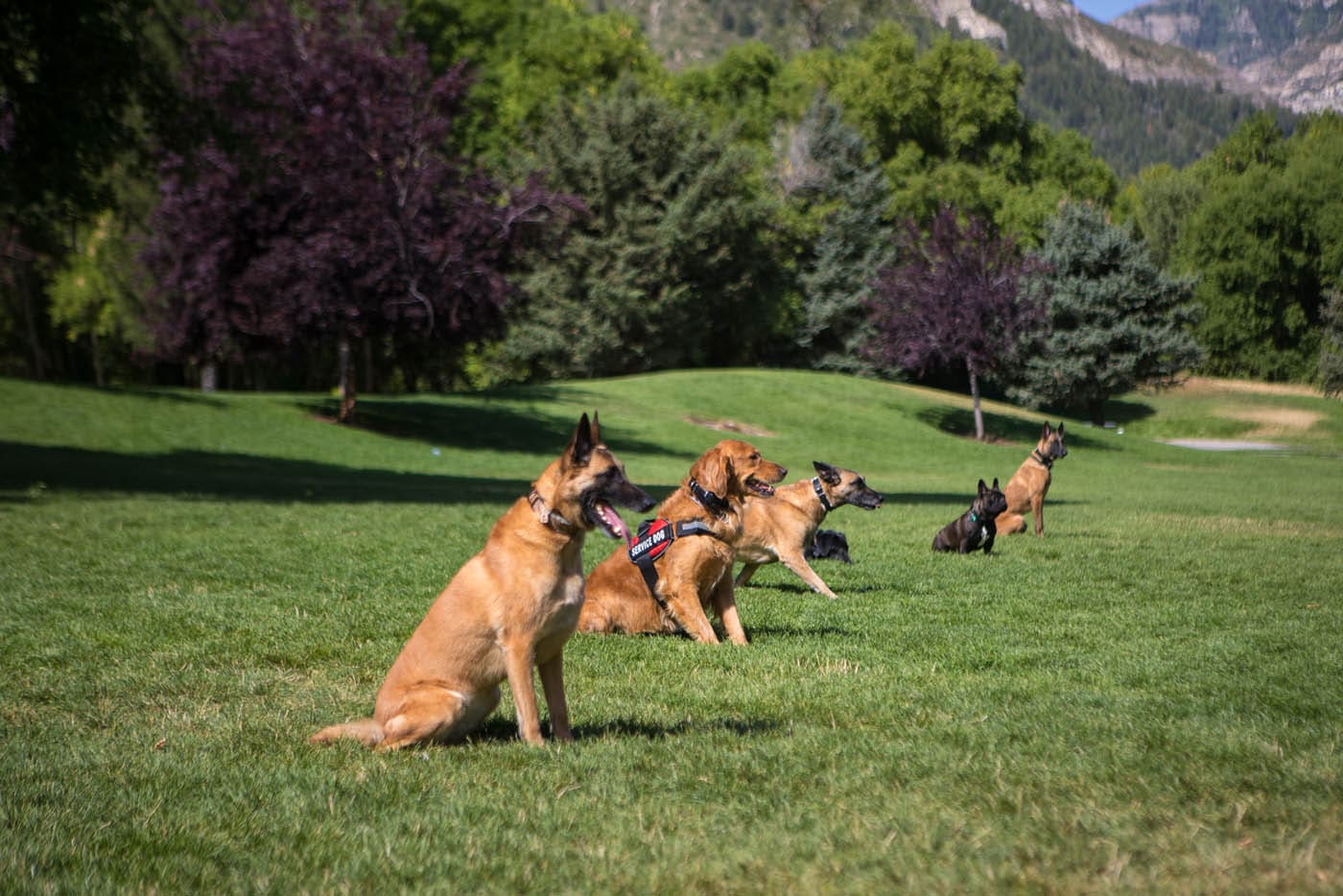
If you’ve been thinking about signing your pup up for obedience training, you’re probably wondering if it’s actually worth the time and money. This blog breaks down the real benefits of obedience classes, from behavior fixes to building a stronger bond with your dog. Sterling’s reputable dog trainer can help address common issues like barking, jumping, and leash-pulling while also teaching your dog to socialize properly. We’ll cover what these classes actually do, how they affect long-term behavior, and what problems they can solve. By the end, you’ll have a clear picture of what obedience training can (and can’t) do for your furry friend.
Benefits of Dog Obedience Classes
Obedience classes provide your dog with structured training focused on basic commands, social skills, and good manners. You and your dog both get professional guidance in a controlled setting, which makes learning way easier than figuring it out on your own at home. Your dog also gets to hang out with other dogs during class, which helps them become more comfortable and confident around new faces. The routine and consistency of regular classes tend to produce better results than random training sessions here and there. It’s a solid investment in your pet’s behavior and your sanity.
Behavioral Improvements Through Training
Dogs in obedience classes tend to show real behavioral improvements pretty quickly. They learn to follow commands faster, act better in different situations, and connect more with their owners. With consistent practice and help from experienced trainers, dogs can work through annoying habits like nonstop barking, jumping on guests, or dragging you down the sidewalk during walks. Training also builds self-control and confidence, which leads to a calmer, more balanced pet. The class environment gives dogs a safe place to practice new skills before they have to use them in the real world.
Socialization and Confidence Building
Obedience classes expose your dog to different environments, people, and other dogs in a controlled way. This helps them learn how to react positively to unfamiliar stuff instead of freaking out or getting aggressive. That early socialization matters a lot for preventing fear-based problems down the road. As dogs master commands and complete tasks, they begin to feel more confident in their abilities. The positive reinforcement used in these classes also builds self-assurance, making your dog more adaptable and easygoing in new situations. All of this adds up to a well-rounded pup who handles life better.
Bonding and Communication Enhancement
One of the biggest perks of obedience classes is how much they strengthen the relationship between you and your dog. You’ll learn to read your dog’s body language, sounds, and behaviors way more accurately. This means you can respond to what they need before it becomes a problem. Dogs also learn to pick up on your cues, which builds trust and teamwork between you two. The structured class setting creates consistent interaction time, helping you both understand each other’s boundaries and preferences. Through shared experiences and positive training moments, your partnership gets stronger and more rewarding.
Addressing Specific Behavior Problems
Obedience classes are great for tackling specific issues that drive owners crazy. Here’s what you can expect:
- Structured Training Exercises: Classes include targeted exercises to address problems such as excessive barking, jumping on people, or leash-pulling.
- Behavior Modification Techniques: Trainers show you how to understand why your dog behaves the way it does and provide practical tools to change those behaviors.
- Real-World Simulations: Many classes recreate everyday scenarios so your dog can practice handling challenges in a safe space before facing them out in public.
Long-Term Behavioral Impact
The effects of obedience training stick around long after the classes end. Dogs who go through this training usually continue to show improved behavior in their daily lives, not just during sessions. The skills they pick up, like self-control, focus, and listening to commands, tend to last. This means better communication between you and your dog over time. The socialization piece also pays off in the long term, often reducing aggression or nervousness around other dogs and strangers. Putting in the effort now can make a real difference in your dog’s behavior and your relationship for years to come.
Related Topics: