 Skip to content
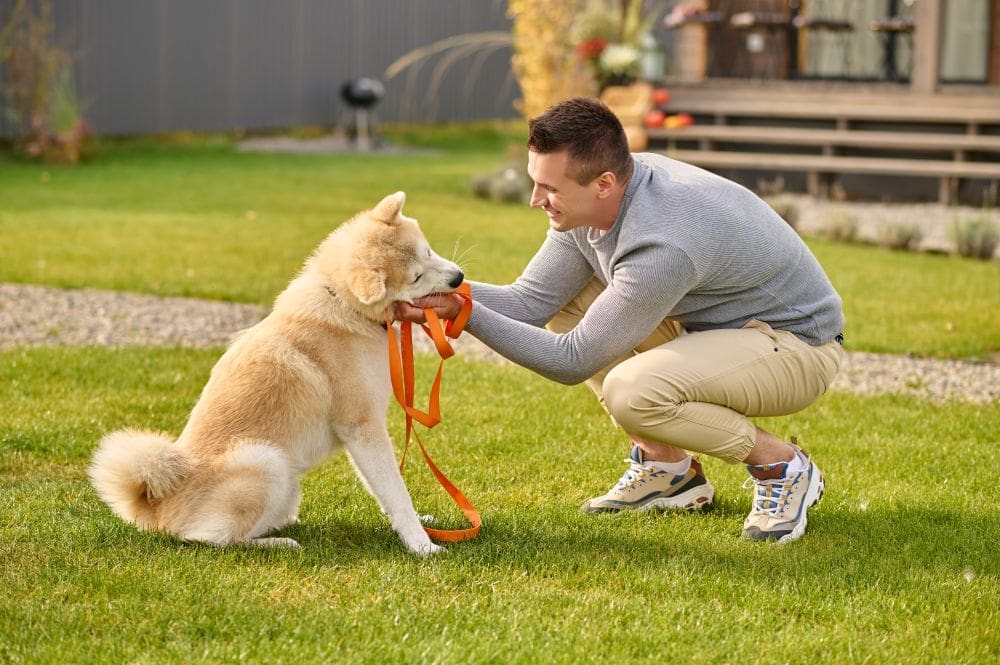
Determining off-leash readiness requires evaluating your dog’s behavior through specific indicators. Most dog owners assess recall reliability, impulse management, and social adaptability before granting freedom. Professional trainers recommend observing body language cues, practicing commands in controlled settings, and building confidence through gradual exposure. These foundational skills create the framework for safe off-leash experiences that any skilled dog trainer in Sterling can help you develop properly.
Reading Your Dog’s Body Language
Your dog’s physical cues tell the whole story about their comfort level. A relaxed pup shows loose, flowing movement, soft eyes, and a gently wagging tail. Their ears sit naturally, not pinned back or hyperalert.
Stress signals look entirely different. You’ll notice rigid posture, tense facial muscles, and that telltale tucked tail position. Some dogs pant excessively or avoid eye contact when overwhelmed. Learning these subtle differences takes practice, but it’s worth the effort.
Watch how your dog moves through space. Confident dogs explore with purpose, while anxious ones might freeze or try to hide behind your legs. These observations help you gauge whether they’re mentally prepared for off-leash freedom.
Testing Recall Reliability
Strong recall forms the backbone of off-leash success. Start practicing in your backyard or a quiet park before attempting busier locations. Call your dog’s name once and wait. If they come immediately, reward generously with treats or praise.
Gradually increase distractions during training sessions. Try practicing near other dogs, people walking by, or interesting smells. Your dog should respond consistently regardless of what’s happening around them.
Don’t repeat the command if your dog ignores you. Instead, go back to easier environments and rebuild that reliable response. Patience pays off when you’re dealing with safety issues like traffic or wildlife encounters.
Building Impulse Management
Teaching self-control takes time, especially with high-energy breeds. Practice “wait” commands before opening doors, setting down food bowls, or throwing toys. Your dog needs to understand that good things come to those who show restraint.
“Leave it” becomes incredibly valuable during off-leash adventures. Dogs encounter everything from garbage to dead animals on trails, and you need confidence they’ll listen when you say no. Start with low-value items indoors before progressing to more tempting outdoor distractions.
The “stay” command works differently from the “wait” command. Stay means don’t move until released, even if something interesting appears nearby. Practice this while other dogs play or people walk past your training area.
Developing Social Adaptability
Proper socialization goes beyond just meeting other dogs at the park. Your pup needs exposure to different ages, sizes, and energy levels in controlled settings. Puppy classes provide structured introductions, but older dogs benefit from organized playgroups too.
Human interactions matter just as much. Children move unpredictably, seniors might use walking aids, and some people feel nervous around dogs. A well-socialized dog remains calm regardless of who approaches.
Environmental variety builds adaptability. Urban settings present different challenges from rural hiking trails. Beach environments feel different from forest paths. Each location offers unique learning opportunities for your dog.
Assessing Confidence Levels
Confident dogs maintain steady eye contact without staring aggressively. They approach new situations with curiosity rather than fear or overexcitement. Their body language stays balanced and controlled even when meeting unfamiliar dogs or people.
Building confidence requires positive experiences and gradual increases in challenge. Let your dog succeed at easier tasks before attempting harder ones. Rushing the process often creates setbacks that take weeks to overcome.
Some dogs naturally show more confidence than others. Shy personalities need extra time and encouragement, while bold dogs may require more work on impulse control. Tailor your approach to match your individual dog’s temperament and learning style.
Choosing Practice Environments
Location selection impacts training success significantly. Begin in familiar spaces where your dog feels secure, and distractions stay minimal. Your own yard or a quiet neighborhood street works perfectly for initial sessions.
Progress to slightly busier areas once basic commands become reliable. Empty tennis courts, school playgrounds during off-hours, or large parking lots provide controlled increases in challenge. Avoid crowded dog parks until recall becomes absolutely solid.
Natural environments offer the ultimate test. Hiking trails present wildlife scents, other hikers, and terrain changes that challenge even well-trained dogs. Start with shorter excursions and familiar routes before attempting longer adventures.
The key is reading your dog’s responses and adjusting accordingly. Some days they’ll surprise you with perfect behavior, while others might require stepping back to easier environments. That’s completely normal in the training process.
Contact Us
We’re here to help! Whether you have a question, need assistance, or want to say hello, reaching out is easy.
Email Us: Send us a message anytime at [email protected]. We aim to respond within 24 hours.
Call Us: Prefer to talk? Call us at (571) 583-5884
Business hours:
- Monday – Sunday: 7 am – 7 pm
Visit Us: Please stop by our office at 22034 Shaw Road, Suite 105, Sterling, VA 20164. We’d love to meet you in person!
Who should I contact? Our team is ready to assist you. Please let us know how we can help you.
Related Topics: