 Skip to content
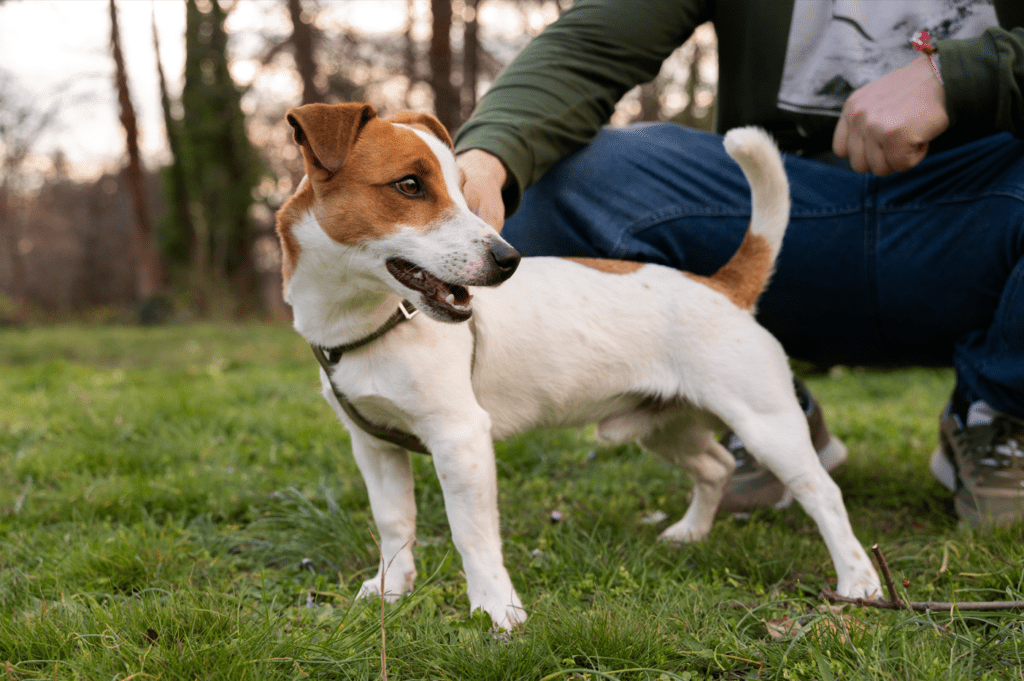
Getting started with puppy training in Sterling can feel a bit overwhelming, right? There’s a lot to think about, but don’t worry, you can take it step by step. First, kind of think of it like setting up a little world just for your pup. Puppy-proof your home, pick a cozy spot with toys, and maybe a feeding station where they feel safe. You know, it’s those tiny details that make a big difference.
Set up a schedule, too. Meals, bathroom breaks, and playtime all work best when you’re consistent. And while you’re doing this, you might want to look into a Sterling, VA puppy trainer if you feel like a bit of extra help could make things smoother. Positive reinforcement is your friend: clickers, treats, and praise. They all work. Start slow with new sights, sounds, and people. It’s all part of helping your puppy adjust without getting overwhelmed.
Setting up Your Home
When your puppy first arrives, your home should feel safe and kind of welcoming, not scary or confusing. Remove anything they could chew that might hurt them, and pick a little area that’s just theirs, a bed, a crate, or a comfy corner. You want them to have a spot where they feel secure.
Chew toys are a must. Puppies just love to gnaw, and it’s way better for them to chew toys than your shoes. Also, have food and water bowls in a quiet place so they can eat without distractions. Little touches like these help them settle in faster and make training a bit easier. A clean, comfortable area can make all the difference when you’re trying to teach new habits.
Establishing a Routine
Puppies thrive on predictability. Set specific times for meals, potty breaks, play, and even short training sessions. It might seem strict at first, but routines give your pup a sense of what to expect, which can make them less anxious and more willing to learn.
Try to wake up at roughly the same time every day for a bathroom break. Stick to the same feeding schedule, and don’t forget to include exercise and playtime. It helps them burn off energy, so training doesn’t feel like a battle. Short, frequent training sessions are better than long ones. Trust me, they keep them attentive and make learning fun.
Positive Reinforcement Techniques
Positive reinforcement is simply showing your pup which behavior you like and rewarding it. Clicker training is great; you mark the moment they do something right. Treats help too, obviously, but don’t underestimate simple verbal praise. A cheerful “good boy” can go a long way.
Playtime can be a reward, too. After a short training session, a few minutes of fun help them connect the learning with something enjoyable. Consistency matters here, so make sure you’re reinforcing immediately. Your puppy starts to understand what’s expected, and it builds trust, which is honestly half the battle.
Socialization and Exposure
Socializing your pup is key. Introduce them to new people, dogs, sounds, and environments slowly, so they feel safe. Don’t overwhelm them; you want positive experiences, not scary ones.
Reward calm and curious behavior. A pup that feels confident and secure is less likely to develop fear or aggression later. Socialization can prevent many future problems, so it’s worth taking the time. Plus, it’s kind of fun to watch your little buddy discover new things without freaking out.
Handling Common Behavior Challenges
Puppies misbehave sometimes. It’s normal. What matters is how you handle it. Be consistent, redirect bad behavior to toys or activities, and use treats and praise when they do things right.
Patience is huge here. You’ll repeat things a lot, and that’s okay. Keep calm, stay consistent, and remember that every pup learns at their own pace. Small steps every day really add up.
Building a Strong Bond
Finally, the bond you build with your puppy is everything. Spend time together in training, walks, and play. Talk to them, pet them, and reward them, and they notice and respond.
Consistency is key, again. Feeding, training, and exercise routines give them a sense of security. Be patient and gentle; building trust doesn’t happen overnight. A strong connection now makes for a happier, more obedient adult dog. You’ll be glad you took the time; it really pays off in companionship and loyalty.
Related Topics: