 Skip to content
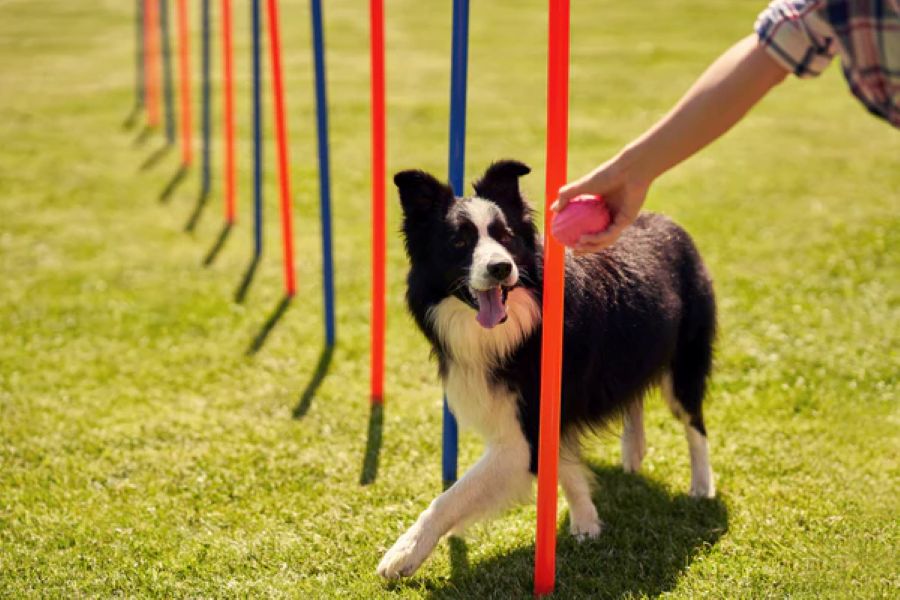
Professional dog trainers are canine behavior specialists who analyze pet temperament patterns and develop customized training protocols to strengthen human-animal relationships. These certified animal behaviorists evaluate each dog’s unique learning preferences by carefully observing body language cues and social interactions. From basic obedience instruction to complex behavioral modification programs, the top dog trainer in Sterling guides pet owners through evidence-based techniques that build lasting communication between families and their four-legged companions.
Evaluating Canine Behavior Patterns
The assessment phase involves studying how dogs respond to different environmental triggers and social situations. Trainers watch for subtle signals in ear positioning, tail movement, and overall body posture that reveal emotional states and comfort levels. These observations help identify specific anxiety triggers, fear responses, or aggressive tendencies that need attention.
Most certified trainers use standardized behavior evaluation tools that have been validated through years of field research. This systematic approach provides consistent baseline measurements that track improvement over time. Customer reviews on platforms like Trustpilot frequently mention how thorough initial assessments helped trainers pinpoint issues that previous attempts had missed.
Developing Customized Training Programs
Each training program is built around the individual dog’s personality, age, breed characteristics, and family lifestyle requirements. Rather than using generic approaches, experienced trainers craft specific lesson plans that align with each animal’s preferred way of processing information.
Some dogs respond better to food-based rewards, while others prefer play-based motivation. The training schedule adapts to accommodate working families, elderly owners, or households with multiple pets. Industry statistics show that personalized programs achieve significantly higher success rates compared to one-size-fits-all methods.
Teaching Essential Commands and Skills
Basic obedience forms the foundation for more advanced training goals. Trainers break complex behaviors into smaller, manageable steps that prevent the animal from being overwhelmed while building confidence through incremental victories.
The “sit-stay-come” sequence gets introduced gradually, with each command thoroughly mastered before moving forward. Professional trainers typically recommend 15-20 minute sessions to maintain optimal attention spans. Positive reinforcement techniques create stronger neural pathways than correction-based methods, according to recent animal cognition research.
Resolving Behavioral Challenges
Problem behaviors often stem from underlying issues like insufficient mental stimulation, unclear household rules, or previous traumatic experiences. Trainers investigate root causes rather than just addressing surface symptoms.
Separation anxiety, excessive barking, destructive chewing, and leash pulling require different intervention strategies. Some cases benefit from counter-conditioning protocols, while others need environmental management changes. Client testimonials consistently highlight how behavioral modification programs transformed previously “difficult” dogs into well-adjusted family members.
Educating Pet Owners
Training success depends heavily on the owner’s consistency between professional sessions. Trainers spend considerable time teaching families how to read their dog’s communication signals and respond appropriately to different situations.
This education covers timing of rewards, body language interpretation, and troubleshooting common setbacks. Many trainers provide written guides or video resources that owners can reference during home practice. The goal is to build the owner’s confidence so families can maintain their training progress independently.
Tracking Development and Making Adjustments
Regular progress evaluations help determine whether current methods are producing desired results or if modifications are needed. Some dogs advance quickly through certain skills while struggling with others that seemed easier.
Trainers document behavioral changes, noting patterns that emerge over multiple sessions. If progress stalls, alternative techniques get introduced based on what research shows works best for similar cases. This flexibility ensures each dog receives the approach best suited to their learning style and personality type.
Contact Us
We’re here to help! Whether you have a question, need assistance, or just want to say hello, reaching out is easy.
Email Us: Send us a message anytime at [email protected]. We aim to respond within 24 hours.
Call Us: Prefer to talk? Call us at (571) 583-5884,
Business hours:
- Monday – Sunday: 7 am – 7 pm
Visit Us: Please stop by our office at 22034 Shaw Road, Suite 105, Sterling, VA 20164. We’d love to meet you in person!
Not sure who to contact? Our team is ready to assist you. Please let us know how we can assist you.
Related Topics: