 Skip to content
Introduction
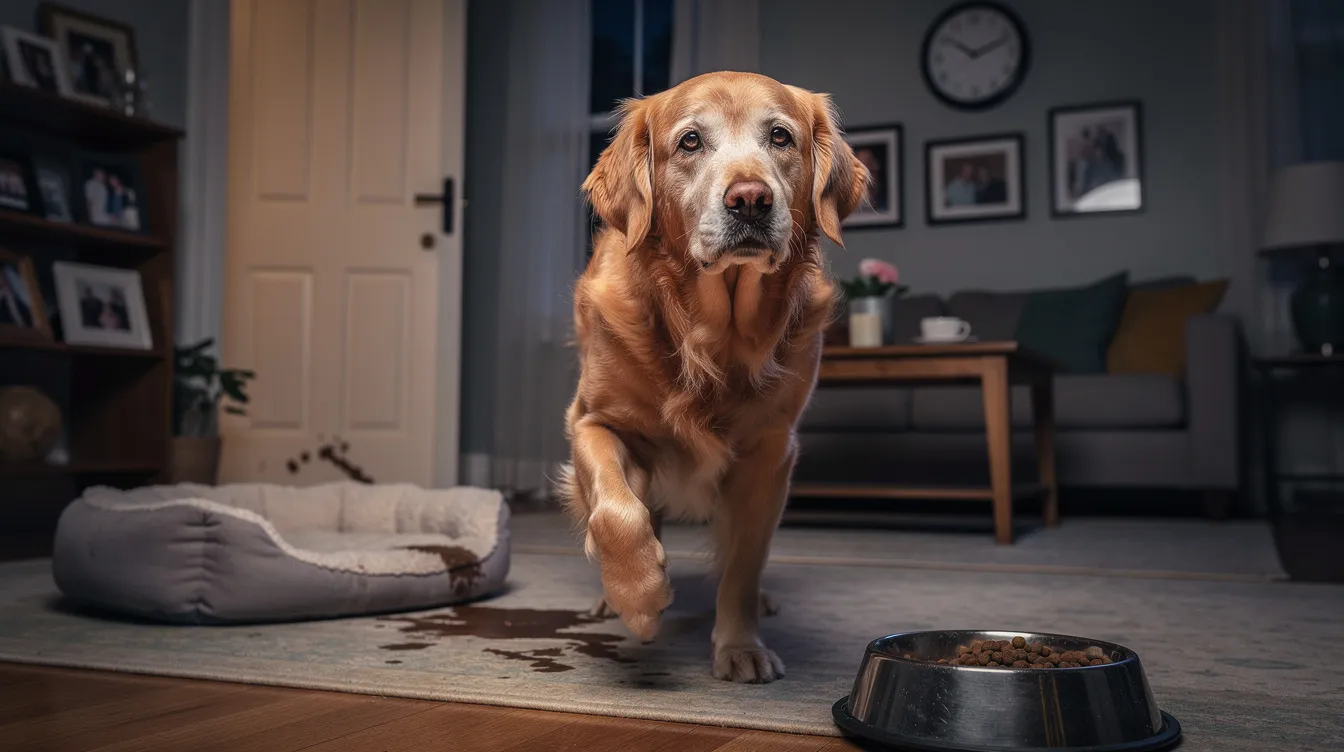
Canine cognitive dysfunction (CCD) affects senior dogs through progressive behavioral changes that go beyond normal aging. If your older dog has started forgetting familiar routes, having accidents indoors, or pacing through the night, these behavioral changes may point to dog dementia rather than stubbornness or simple age-related decline.
This guide covers the early signs of canine cognitive dysfunction syndrome, how to distinguish them from normal aging or medical conditions, and when to seek veterinary help. It is written for pet parents noticing unusual behavior in their aging dogs and wondering whether those changes require professional attention. Treatment options and environmental modifications are touched on briefly, but detailed management protocols fall outside this article’s scope.
The common signs of dog dementia are organized by veterinarians into six categories using the acronym DISHAA: Disorientation, Interaction changes, Sleep-wake cycle disruption, House soiling, Activity changes, and Anxiety. Recognizing two or more of these signs in your dog warrants a veterinary evaluation.
After reading this guide, you will be able to:
- Identify early warning signs of cognitive dysfunction in senior dogs
- Distinguish between normal aging and canine dementia
- Document behavioral changes effectively for veterinary consultations
- Recognize when training approaches are inappropriate and medical intervention is needed
Understanding Canine Cognitive Dysfunction
Canine cognitive dysfunction is a neurobehavioral disorder defined as a chronic, progressive, age-associated neurodegenerative condition that impairs memory, learning, and everyday behavior. Cognitive dysfunction is a gradual, progressive brain condition. It is not a normal part of aging, and it is not a behavioral problem that training alone can resolve.
How Dog Dementia Differs from Normal Aging
Normal aging in dogs brings predictable changes: gradual hearing loss, reduced vision, slower movement, and occasional stiffness. A senior dog that takes longer to get up from a nap or responds less quickly to distant sounds is experiencing age related changes that do not disrupt cognitive function.
Canine dementia, by contrast, involves cognitive decline that disrupts daily functions across multiple behavioral domains simultaneously. A dog with CCD fails to respond to known commands despite being physically able to hear and move. The dog forgets where the food bowl is located, gets lost in familiar places, or loses house training despite having full mobility and regular access to the outdoors. Gradual cognitive decline in dogs is similar to age-related changes seen in humans, particularly those associated with Alzheimer’s disease.
This distinction matters for training and daily life. Many dogs brought to trainers for behavioral concerns are actually experiencing cognitive changes that no amount of obedience reinforcement will fix.
Brain Changes Behind the Symptoms
The central pathological feature of canine cognitive dysfunction is the buildup of a protein called beta amyloid (specifically Aβ-42) in the cerebral cortex and hippocampus. Dogs with dementia have a buildup of beta-amyloid protein that forms diffuse deposits across these brain regions, damaging nerve cells and disrupting communication between brain cells.
Additional brain changes include neuroinflammation (activated microglia and astrocytes), cerebral amyloid angiopathy, loss of synaptic density, and demyelination in frontal lobes. These processes destroy brain cells progressively, reducing brain function in ways that produce the observable behavioral signs covered in the next section.
The DISHAA Framework: Six Key Sign Categories
Veterinarians categorize symptoms of canine cognitive dysfunction into clear behavioral signs using the DISHAA assessment framework. DISHAA stands for disorientation, interaction changes, sleep-wake changes, house soiling, activity changes, and anxiety. Published in the Journal of the American Veterinary Medical Association (December 2025) by the CCDS Working Group, this system gives pet parents a structured way to observe and report what they are seeing.
Disorientation and Confusion
Disorientation includes getting lost in familiar places or getting stuck in corners. Dogs with cognitive dysfunction may wander aimlessly through rooms they have navigated for years, stand on the wrong side of a door (pushing against the hinge side rather than the opening side), or stare at walls for extended periods.
A dog that once moved confidently through the house may begin hesitating at stairs, forgetting the location of their food bowl, or walking to the back door and then standing there without apparent purpose. This spatial confusion reflects deteriorating brain health rather than vision problems or joint pain. If your dog gets stuck behind furniture or forgets how to navigate a familiar route, these are cognitive changes, not physical ones.
Interaction Changes
Interaction changes may involve dogs becoming withdrawn or unusually clingy toward their owners. A senior dog that previously greeted every visitor at the door may stop acknowledging guests entirely, or a formerly independent dog may begin following its owner from room to room.
Changes in response to other pets also emerge. Dogs with dementia sometimes display aggression toward housemates they have lived with peacefully for years, or develop fear responses to familiar people and animals. Reduced responsiveness to their own name is another marker. These shifts are distinct from attention-seeking behaviors, where the dog still demonstrates awareness of social cues and responds when the environment is right.
Sleep-Wake Cycle Disruption
Sleep-wake changes can present as excessive sleeping during the day and restlessness at night. Many aging dogs with CCD pace, vocalize, or appear confused during nighttime hours, a pattern sometimes called “sundowning.” The reversal of normal sleep patterns disrupts the entire household.
Daily 30-minute walks can help reduce nighttime anxiety, according to data from the Dog Aging Project (a longitudinal study of over 15,000 dogs). That project found CCD signs correlated inversely with physical activity levels. Outdoor activities during the day help maintain a more normal sleep wake cycle, though they do not reverse the underlying condition.
House Soiling and Training Regression
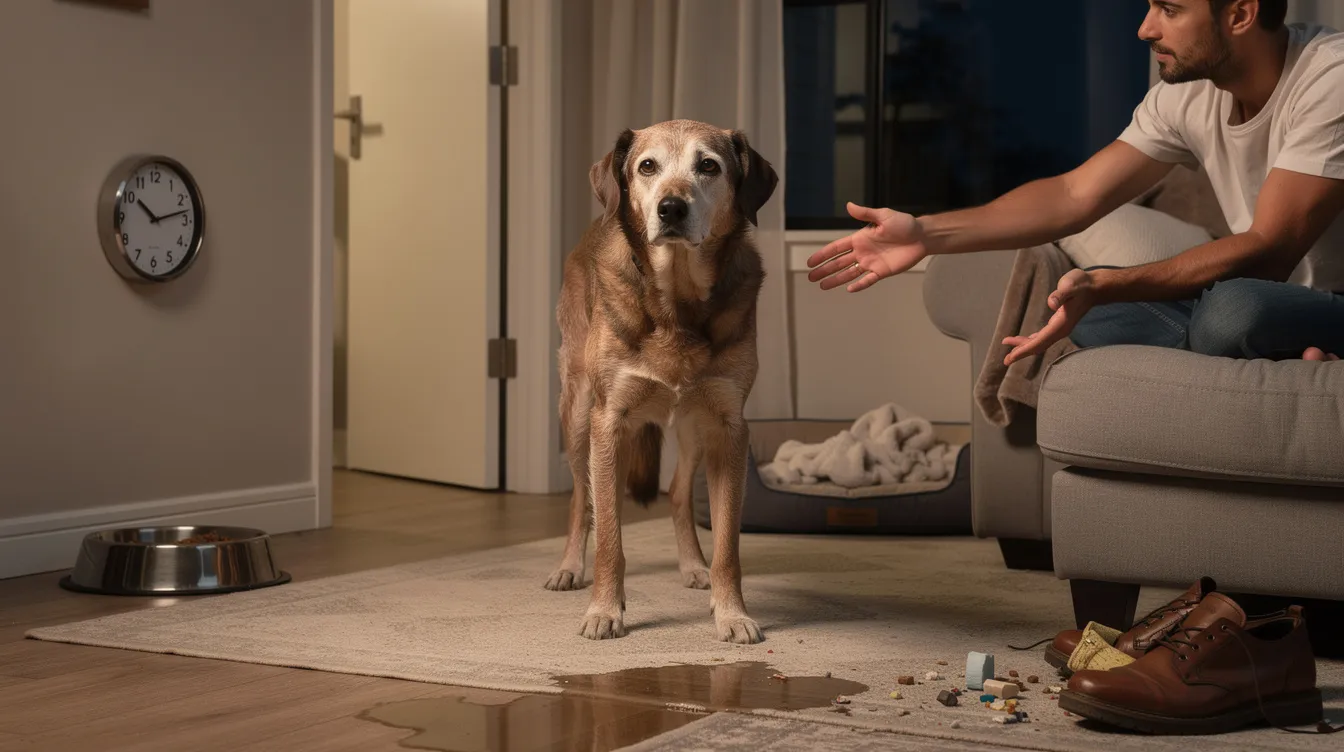
House soiling is one of the most distressing signs for owners. Dogs that maintained reliable house training for a decade begin having accidents indoors, not because they cannot physically reach the door, but because they no longer recognize the signals or remember the routine.
This sign requires careful differential diagnosis. Urinary tract infections, kidney disease, Cushing’s disease, mobility limitations, and incontinence all produce similar symptoms. The distinguishing factor: a dog with a UTI typically shows urgency or frequency changes, while a dog with cognitive dysfunction may eliminate indoors without any apparent awareness that something is wrong. Veterinary testing is essential before attributing house soiling to dementia.
Activity and Interest Changes
Activity changes may manifest as aimless wandering or loss of interest in play and walks. Many dogs with CCD lose interest in toys, food puzzles, and interactions that once excited them. Purposeful activity declines while repetitive behaviors increase; pacing in circles, excessive licking, or walking the same path repeatedly are common patterns.
The reduction in purposeful activity contrasts with mentally engaged behavior. A healthy senior dog may slow down but still shows enthusiasm for favorite activities. A dog experiencing cognitive decline loses the ability to initiate or sustain goal-directed behavior.
Anxiety and Stress Increases
Anxiety in dogs with cognitive dysfunction can be characterized by new fears and agitation. Dogs may show increased anxiety, especially at night. A dog that never flinched at thunderstorms may suddenly tremble during rain. Separation anxiety may develop for the first time in a dog that previously tolerated being alone without difficulty.
General restlessness, an inability to settle, and being startled by ordinary household sounds are all markers. These anxiety signs often overlap with sleep-wake disruption, compounding nighttime distress for both the dog and the household.
Professional Assessment and Diagnosis Process
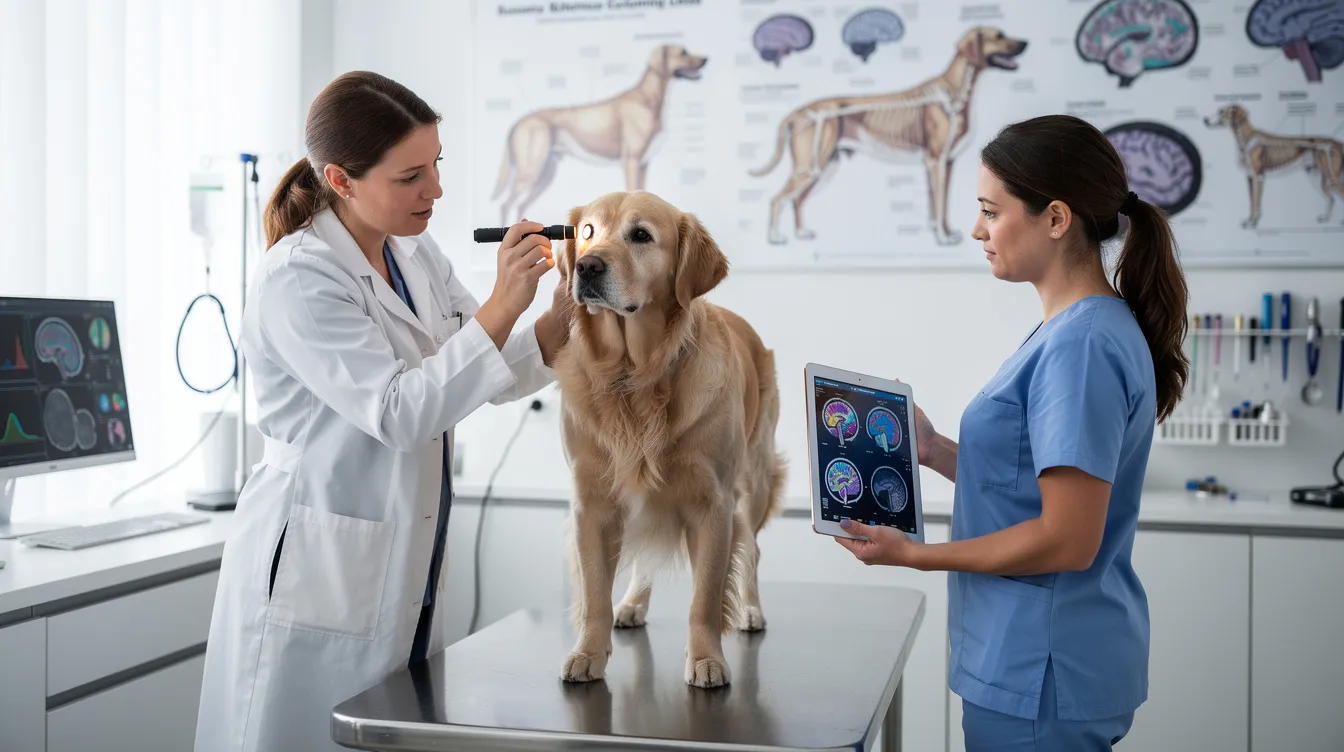
Home observation identifies concerning patterns, but diagnosis requires professional evaluation. Many conditions produce similar symptoms to canine dementia, and only a veterinarian can rule out treatable causes. Early veterinary assessment is important for dogs showing signs of cognitive dysfunction. Symptoms like seizures or sudden confusion require prompt veterinary evaluation, and acute behavioral changes in dogs may indicate other medical issues such as brain tumors.
Veterinary Evaluation Steps
The diagnostic process follows a structured sequence:
- Detailed history taking: The veterinarian reviews when signs started, which DISHAA domains are affected, frequency, and progression. Veterinarians recommend symptom logging to identify patterns in behavioral changes.
- Physical and neurological exam: A full physical examination identifies pain, sensory loss, or organ dysfunction. The neurological exam evaluates reflexes, proprioception, cranial nerves, and mental status. In CCD, the neurological exam shows either normal findings or diffuse forebrain dysfunction.
- Laboratory testing: Blood work, urinalysis, and thyroid panels rule out metabolic conditions, kidney disease, Cushing’s disease, hypothyroidism, and infections that produce overlapping signs.
- Advanced imaging (when indicated): MRI can reveal cortical atrophy and hippocampal shrinkage consistent with CCD. The CCDS Working Group’s Level 2 diagnostic criteria include MRI evidence of cortical atrophy with normal CSF cell counts. However, MRI requires general anesthesia and is not available in all clinics.
Definitive diagnosis of canine cognitive dysfunction currently requires postmortem histopathology confirming cortical atrophy, amyloid deposition, myelin loss, and neuroinflammation. No validated ante-mortem biomarker exists for routine veterinary practice yet, though plasma neurofilament light chain (NfL) levels show promise as a correlate of cognitive impairment severity.
When Training vs. Medical Intervention Is Needed
| Indicator | Behavioral/Training Issue | Cognitive Dysfunction |
|---|---|---|
| Response to known commands | Inconsistent but improves with reinforcement | Fails even with full sensory and physical capability |
| House training | Lapses tied to schedule or environment changes | Accidents occur without awareness or pattern |
| Social behavior | Context-dependent (e.g., resource guarding) | Unprovoked changes across multiple contexts |
| Activity level | Varies with motivation and stimulation | Progressive decline in purposeful activity |
| Onset pattern | Often linked to specific triggers or life changes | Gradual, progressive, across multiple DISHAA domains |
| Age profile | Any age | Typically older dogs, 8+ years |
If behavioral changes do not respond to consistent positive reinforcement and environmental adjustment, or if they span multiple DISHAA categories, the dog needs veterinary evaluation before any training intervention.
Recording and Documenting Changes
Video documentation of specific behaviors provides concrete evidence for veterinary consultations. Record nighttime pacing, episodes of disorientation, and indoor elimination events with timestamps.
Maintain a written log tracking: which DISHAA domain each behavior falls into, when it first appeared, how often it occurs per week, and whether frequency is increasing. Multiple family members should contribute observations, since gradual onset makes changes difficult for any single person to detect.
Common Challenges in Recognizing Early Signs
Most dogs develop CCD gradually, and the early signs are easy to dismiss. Three patterns consistently delay recognition.
Mistaking Signs for Normal Aging
Owners frequently assume that a senior dog “slowing down” is simply getting old. Normal aging does bring reduced stamina and sensory decline. Cognitive dysfunction, however, produces deficits that cross multiple behavioral domains and worsen over time. A dog that sleeps more but still navigates the house, greets family, and maintains house training is aging normally. A dog that sleeps more, gets stuck behind the couch, and begins eliminating in the hallway is showing a different pattern. The data supports concern: 28% of dogs aged 11-12 show signs of dementia, and 68% of dogs aged 15-16 are affected by cognitive dysfunction. Over 60% of dogs older than 11 show cognitive decline signs, indicating that at least one sign of CCD is present in the majority of older dogs.
Gradual Onset Masking Severity
Because cognitive dysfunction progresses slowly, pet parents often adjust their routines unconsciously. They start blocking off stairs, cleaning up more accidents, or accepting that the dog “doesn’t play anymore.” By the time the cumulative change becomes undeniable, the condition has advanced from mild to moderate or severe.
A practical countermeasure: compare your dog’s current behavior to six months ago, not yesterday. Ask family members independently to list changes they have noticed. The aggregate picture is often more revealing than day-to-day impressions.
Attributing Changes to Stubbornness or Behavioral Issues
When a well-trained dog stops responding to commands, the instinct is to increase training pressure. This is counterproductive and potentially harmful for dogs with dementia. A dog that once demonstrated patience and reliability but now fails basic commands is not being stubborn; the dog may have lost the cognitive function required to process and respond.
If your dog’s behavioral changes do not improve with consistent, positive reinforcement methods, consult your veterinarian before continuing training. Punishment for dementia-related behaviors increases anxiety and accelerates decline.
Conclusion and Next Steps
Early recognition of canine cognitive dysfunction gives pet parents more time to implement management strategies that preserve quality of life. Canine cognitive dysfunction is typically progressive and not considered reversible, but proper management slows the impact on daily functioning.
Take these steps if you suspect cognitive decline in your dog:
- Evaluate against DISHAA: If your dog shows two or more DISHAA signs persisting for several weeks, schedule a veterinary evaluation.
- Document specific changes: Start a behavior log and record video of concerning episodes before your appointment.
- Stop punishing confusion: Never scold a dog for dementia-related behaviors like house soiling or failure to respond to commands. Create safe, calming spaces instead.
- Ask about management options: Selegiline is the only FDA-approved medication for dog dementia. Treatment may include dietary changes and medications to slow progression of symptoms. Diets rich in medium chain triglycerides (MCTs), omega-3 fatty acids, and vitamin E have shown improvement in DISHAA scores in clinical trials. Omega-3 fatty acids may help slow cognitive decline in dogs. Nutritional supplements can slow aging changes in the brain.
- Maintain structure and enrichment: Environmental modifications can help reduce confusion in dogs. Regular routines can improve comfort for dogs with dementia. Keep a predictable routine, use night lights in hallways, maintain consistent furniture placement, and provide mental stimulation through gentle problem-solving exercises appropriate to your dog’s cognitive level. Environmental enrichment through food puzzles and social interaction correlates with slower progression in research data.
For related reading, explore treatment protocols for senior pets with cognitive dysfunction, quality of life assessment tools from veterinary medicine specialists, and environmental modification guides. If your dog’s symptoms include seizures, sudden onset confusion, or rapid behavioral change, contact a veterinary neurologist or southeast veterinary neurology clinic immediately, as these patterns may indicate brain tumors or other acute medical conditions rather than CCD.
Frequently Asked Questions
At what age do dementia signs typically appear in dogs? Canine cognitive dysfunction affects dogs primarily over age 8. Prevalence rises steeply with age: 28% of dogs aged 11-12 have cognitive dysfunction, and 68% of dogs aged 15-16 years are affected by dementia. Larger breeds may show signs proportionally earlier in their lifecycle due to shorter life expectancy, while smaller breeds may show signs over longer periods of senescence.
Can dementia signs be mistaken for training problems? Yes, and this happens frequently. Many dogs brought in for behavior modification are actually experiencing cognitive decline. The key distinction: a dog with a training issue still responds when conditions are right (proper motivation, clear cues, low distraction). A dog with cognitive dysfunction fails even when physically and sensorily capable. If standard positive reinforcement methods are not producing results in an older dog, veterinary evaluation should precede further training.
How quickly do signs progress once they start? The CCDS Working Group defines three stages: mild (subtle, low-frequency signs with mostly preserved function), moderate (multiple DISHAA signs with pronounced behavior changes), and severe (basic functioning compromised, requiring daily support). Progression speed varies by individual, but the condition is always progressive. Many aging dogs move from mild to moderate over months to a year or more.
Is dog dementia painful for dogs? Cognitive dysfunction itself is not considered a pain condition. However, the anxiety, confusion, and disrupted sleep it causes do reduce a dog’s quality of life. Dogs with dementia often have concurrent conditions like arthritis that are painful, and one study found sleep disturbances in many aging dogs were driven by chronic pain more often than cognitive decline alone. A thorough physical and neurological exam helps separate pain-driven behaviors from cognitive ones, ensuring the dog is kept comfortable.
When should I contact my veterinarian about behavioral changes? Contact your veterinarian if your senior dog shows two or more DISHAA signs persisting for several weeks without an obvious cause. Seek immediate evaluation for sudden confusion, seizures, or rapid behavioral shifts, as these may indicate acute medical conditions rather than gradual cognitive dysfunction. Do not wait for signs to become severe; earlier evaluation provides more management options and supports your pet’s quality of life.
Can environmental enrichment help slow progression? Data from the Dog Aging Project (over 15,000 dogs studied) found that more physically active dogs showed fewer CCD signs. Environmental enrichment, including food puzzles, gentle new learning tasks, social interaction, and regular physical activity, correlates with lower prevalence and slower progression. A clinical trial of 87 dogs showed that diets supplemented with MCT blends produced measurable improvement in DISHAA scores at 30 and 90 days compared to control diets. While these interventions do not reverse the condition, they support brain health and help manage dog dementia by maintaining cognitive function longer.
